Why Humane Wildlife Removal Is Important for Property and Animal Safety
Local service providers can safely and humanely remove wildlife from your property, helping protect your home and animals while preventing future issues.
Understanding why humane wildlife removal is important for property and animal safety can help property owners address common concerns before they escalate. Wildlife such as raccoons, squirrels, or bats often seek shelter in attics, walls, or crawl spaces, which can lead to damage or health risks if left unmanaged. Engaging with experienced local contractors who specialize in humane wildlife removal ensures that animals are relocated safely and ethically, reducing the risk of injury to both the animals and residents. This proactive approach helps protect the structural integrity of a property while fostering a responsible way to manage local wildlife encounters.
For property owners in the area, exploring humane wildlife removal services is a practical step toward maintaining a safe and secure environment. Local service providers can assess property vulnerabilities, identify entry points, and implement humane solutions that prevent future invasions. By choosing professionals skilled in humane removal, property owners can address wildlife issues effectively without causing harm to animals. Keep reading to learn more about how local contractors can help safeguard property and promote animal safety through compassionate removal methods.
- Bird exclusion - when birds nest in vents or eaves, local contractors can safely remove the birds and seal entry points to prevent future infestations.
- Rodent removal - if rodents are found inside walls or attics, service providers use humane trapping and exclusion methods to remove them and secure the property.
- Bat removal - in cases where bats roost in attics or eaves, local pros can safely and humanely relocate them while sealing entry points to protect property and prevent health risks.
- Squirrel removal - when squirrels invade attics or chimneys, local contractors can humanely remove the animals and repair entry sites to stop re-entry.
- Skunk removal - if skunks dig under decks or in yards, service providers can safely relocate them and implement barriers to prevent future visits.
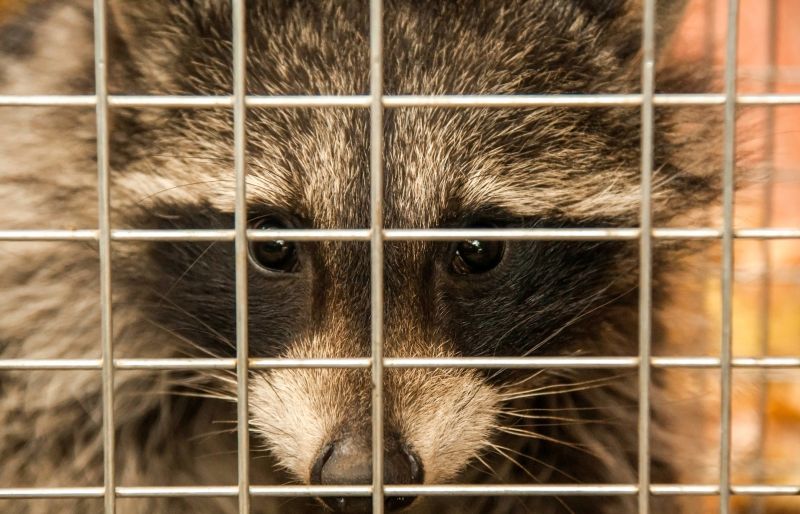
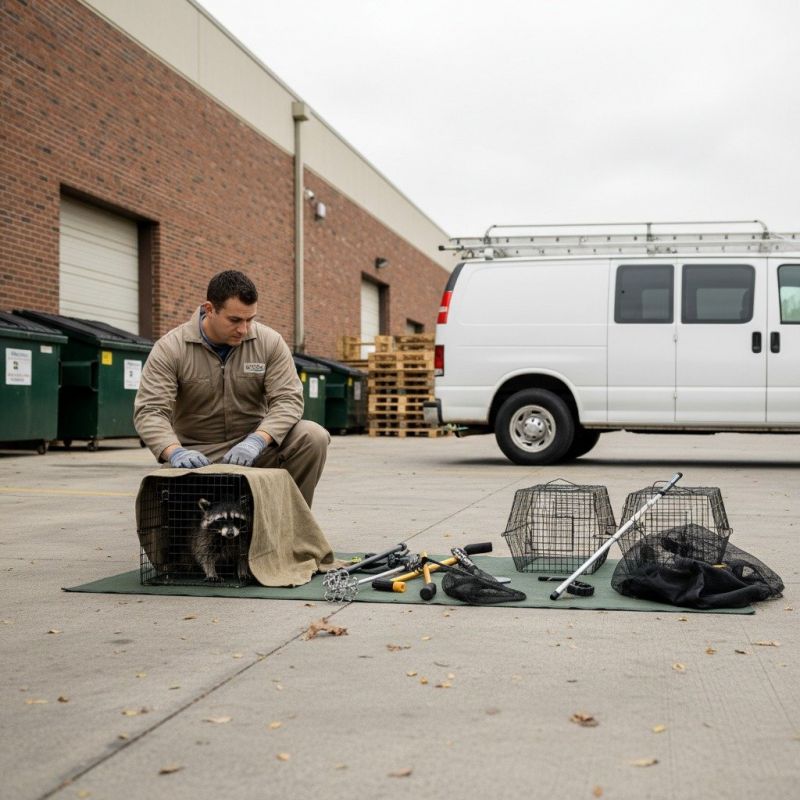
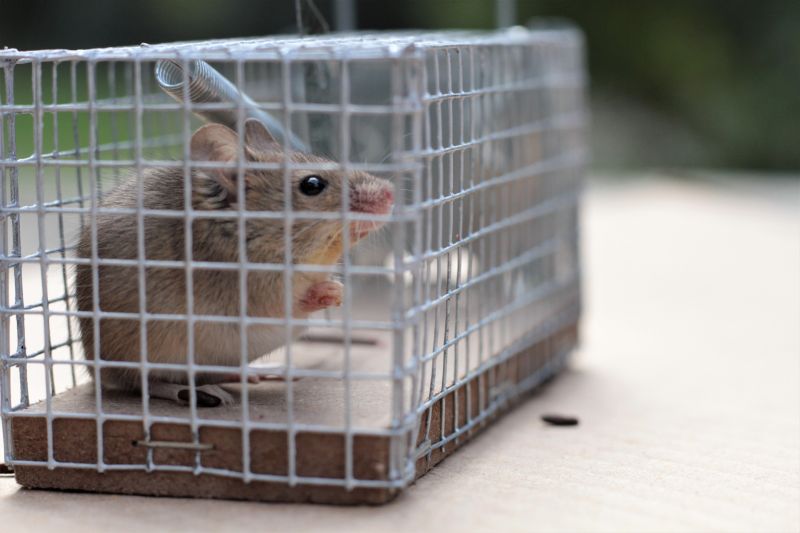
When people search for why humane wildlife removal is important for property and animal safety, they are often concerned about the presence of animals such as raccoons, squirrels, bats, or birds causing damage or creating hazards on their property. These searches typically relate to situations where animals have taken up residence in attics, walls, chimneys, or other hidden spaces, leading homeowners to seek effective ways to remove them humanely. The goal is to eliminate the nuisance or potential health risks posed by these animals without causing them harm, ensuring that the removal process aligns with ethical standards. Understanding this motivation helps clarify why professional wildlife removal services focus on humane methods that prioritize both property protection and animal welfare.
The problems connected to this topic often involve property damage, such as chewed wiring, insulation destruction, or structural weakening caused by animals nesting or seeking shelter. Additionally, animal droppings and urine can create unsanitary conditions, increasing the risk of disease transmission. In some cases, animals may pose safety hazards, like bats roosting in attics or raccoons accessing food sources, which can lead to conflicts or bites. Many property owners also plan to prevent future invasions by sealing entry points and implementing exclusion techniques. Local service providers specializing in humane wildlife removal are equipped to handle these issues effectively, helping homeowners develop plans that protect their property while ensuring the animals are removed safely and ethically.
Properties that most commonly come up in discussions about humane wildlife removal include residential homes, especially those with attics, basements, or crawl spaces. Commercial buildings, such as warehouses or retail spaces, can also experience wildlife intrusions that require professional intervention. Rural properties and farms are often affected by larger animals or bird colonies that seek shelter or nesting sites. In urban areas, the density of buildings and limited green space can increase the likelihood of wildlife encounters, making humane removal services essential for maintaining property integrity and safety. Local contractors familiar with these property types understand how to adapt their approaches to suit different environments, ensuring that animal removal is handled properly and minimizes disruption.
Ultimately, understanding why humane wildlife removal is important for property and animal safety helps homeowners see the connection between effective pest management and long-term property preservation. Professionals in this field focus on humane techniques that prioritize the well-being of animals while addressing the risks they pose. Whether dealing with an attic invasion or a bird colony on a commercial roof, local service providers can assess the situation and implement strategies that remove animals without harm. This approach not only resolves immediate problems but also helps prevent future invasions, making properties safer and reducing the likelihood of damage or health issues related to wildlife.
Bird control projects - These involve installing deterrents and exclusion devices to prevent birds from nesting on properties, aligning with humane wildlife removal strategies for property protection and animal safety.
Rodent exclusion services - Local contractors often perform sealing and repair work to keep rodents out, which complements humane wildlife removal by preventing future infestations and ensuring safety.
Bat removal and exclusion - This work entails safely removing bats and sealing entry points, directly relating to humane wildlife removal for protecting property and safeguarding animal populations.
Squirrel damage repair - Repairing chewed wiring and structural damage caused by squirrels involves similar planning and tools used in humane wildlife removal to prevent property harm and animal entry.
Animal trapping and relocation - Trapping nuisance wildlife and relocating them humanely is a core aspect of humane wildlife removal services that directly impacts property and animal safety.
Exclusion fencing projects - Installing fencing to block wildlife access is a preventative step that supports humane wildlife removal efforts and enhances property protection.
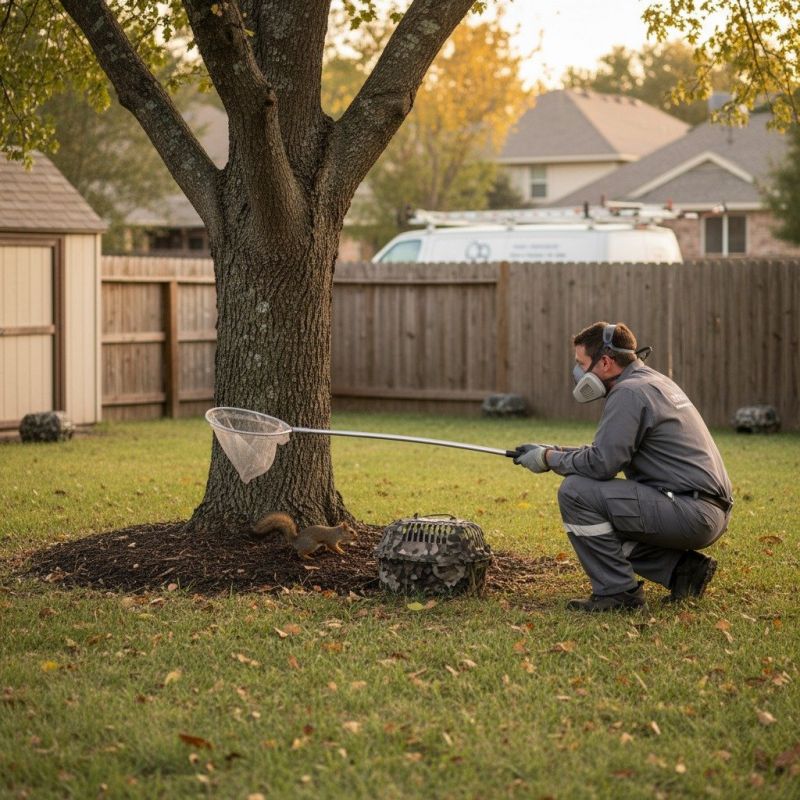
When evaluating potential service providers for humane wildlife removal, it is important to consider their experience with similar projects. Homeowners should seek out local contractors who have a proven track record of handling wildlife issues comparable to their situation. An experienced professional will understand the common challenges associated with humane removal and be familiar with effective strategies to safely and ethically address the problem. This familiarity can contribute to a smoother process and help ensure that the wildlife is managed responsibly, reducing the risk of property damage or animal injury.
Clear written expectations are essential when comparing local wildlife removal services. Homeowners should look for providers who offer detailed descriptions of the services they provide, including the methods used for removal, the steps taken to prevent future issues, and any guarantees or warranties associated with the work. Having these expectations outlined upfront helps establish transparency and ensures that everyone is aligned on the scope of the project. This clarity can prevent misunderstandings and facilitate a more efficient and satisfactory experience.
Reputable references and strong communication skills are key indicators of a reliable wildlife removal service. Homeowners are encouraged to ask for references or reviews from previous clients to gauge the quality of work and professionalism. Additionally, a service provider that communicates clearly and promptly can make the process easier by answering questions, explaining procedures, and providing updates throughout the project. Good communication fosters trust and confidence that the wildlife removal will be handled humanely, with respect for both property safety and animal welfare.
Property owners often search for why humane wildlife removal is important for property and animal safety when they are planning practical projects around their homes and businesses. Local pros provide Humane Wildlife Removal services for everyday jobs and straightforward project options.
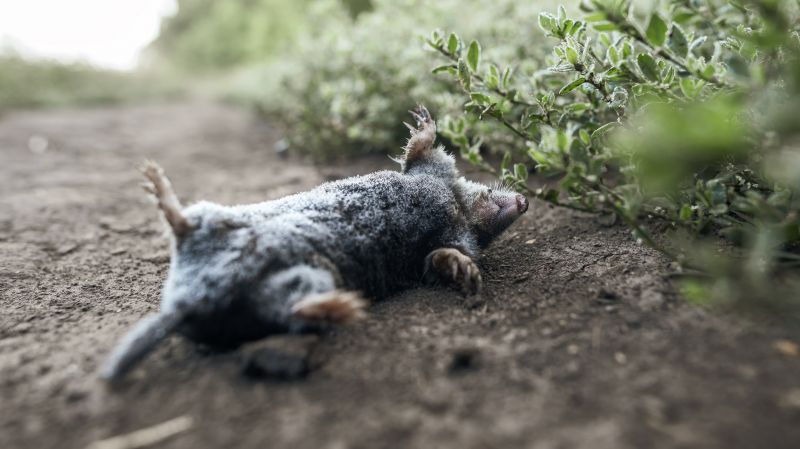
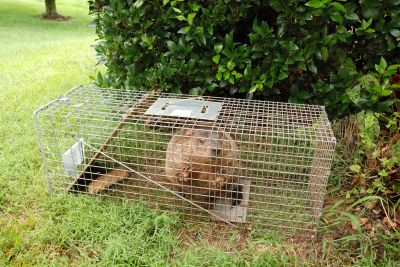
Humane wildlife removal is an essential consideration for property owners facing encounters with animals such as raccoons, squirrels, bats, or birds. These animals can sometimes find their way into attics, crawl spaces, or other parts of a property, leading to potential damage or health concerns. Engaging with local contractors who specialize in humane removal methods ensures that animals are relocated safely and ethically, preventing unnecessary harm and reducing the risk of future intrusions. Proper removal not only protects the integrity of the property but also promotes the well-being of the animals involved.
In addition to safeguarding the property, humane wildlife removal helps prevent situations where animals might cause structural damage or create unsanitary conditions. For example, animals nesting in vents or chimneys can lead to blockages or fire hazards, while those in attic spaces may chew on wiring or insulation. Local service providers can evaluate the situation and implement effective, humane strategies to resolve the issue. This approach supports a safe environment for both residents and animals, making professional removal services a practical solution for property owners seeking to address wildlife concerns responsibly.
Why is humane wildlife removal important for property safety? Humane wildlife removal helps prevent property damage caused by animals such as chewed wiring, insulation destruction, and structural harm, while ensuring animals are removed safely and ethically by local service providers.
How does humane wildlife removal contribute to animal safety? Humane removal methods prioritize the well-being of animals, reducing injury or stress during the removal process, which is handled by local contractors experienced in safe wildlife control.
What are the risks of not using humane wildlife removal services? Without humane removal, animals may cause extensive property damage or pose health risks, and improper removal methods can lead to injury or death of animals, which local pros aim to prevent.
How do local wildlife removal services help prevent future animal problems? These services identify entry points and implement humane exclusion techniques to prevent animals from returning, protecting both property and animal welfare.
Why should property owners choose humane wildlife removal over lethal methods? Humane removal prioritizes animal safety and ethical treatment while effectively resolving wildlife issues, making it a responsible choice handled by local service providers.
Identify entry points - Property owners can work with local contractors to locate and seal gaps or openings that animals use to access buildings, preventing future intrusions.
Implement humane exclusion methods - Applying humane wildlife removal techniques helps safely remove animals and prevent them from returning, protecting both property and animals.
Schedule regular inspections - Routine assessments by local pros can catch early signs of wildlife activity, reducing potential damage and health risks.
Educate on wildlife behavior - Learning about animal habits with the help of local service providers can guide property owners in making informed decisions about wildlife management.
If you are thinking about why humane wildlife removal is important for property and animal safety for a property, this guide is meant to help you understand this topic, the typical project types, and how different options might fit your plans.
When you are ready, you can use the quote form on this page to share a few details about your project. From there, local pros can review the basics and follow up with options that match what you have in mind.