How Small Animals Impact Commercial Buildings and Business Operations
Commercial small animal removal experts help prevent damage, health risks, and operational disruptions caused by small animals invading commercial buildings.
Understanding how small animals impact commercial buildings and business operations is essential for property owners seeking to maintain a safe and efficient environment. Small animals such as rodents, birds, and other critters can cause significant issues that disrupt daily activities, lead to property damage, and create health concerns. Recognizing these potential impacts encourages proactive measures, and consulting with experienced local contractors can help address these challenges effectively. Whether it’s preventing infestations or resolving existing problems, knowing the risks associated with small animals can help business owners make informed decisions to protect their investments.
For property owners in the area, exploring this topic is a practical step toward safeguarding their commercial spaces. Small animals can find their way into buildings through small openings, leaving behind droppings, nesting materials, and other signs of activity. These issues not only compromise cleanliness but can also interfere with operations and pose health risks. Connecting with local service providers who specialize in small animal removal ensures that any issues are handled professionally and efficiently. Keeping small animals out of commercial buildings helps maintain a safe, productive environment and minimizes potential disruptions to business activities.
- Commercial building inspections often reveal small animal infestations, prompting property managers to seek out local contractors experienced in removal services. When small animals like rodents or birds cause damage to structural components, local pros can efficiently address the issue to prevent further harm. Businesses facing contamination risks due to animal droppings or nesting materials may rely on local service providers to ensure a clean and safe environment. In cases where small animals interfere with HVAC systems or electrical wiring, local contractors can perform targeted removal to restore proper operation. Property owners concerned about ongoing small animal activity can contact local pros to implement exclusion methods that protect commercial spaces from future issues.
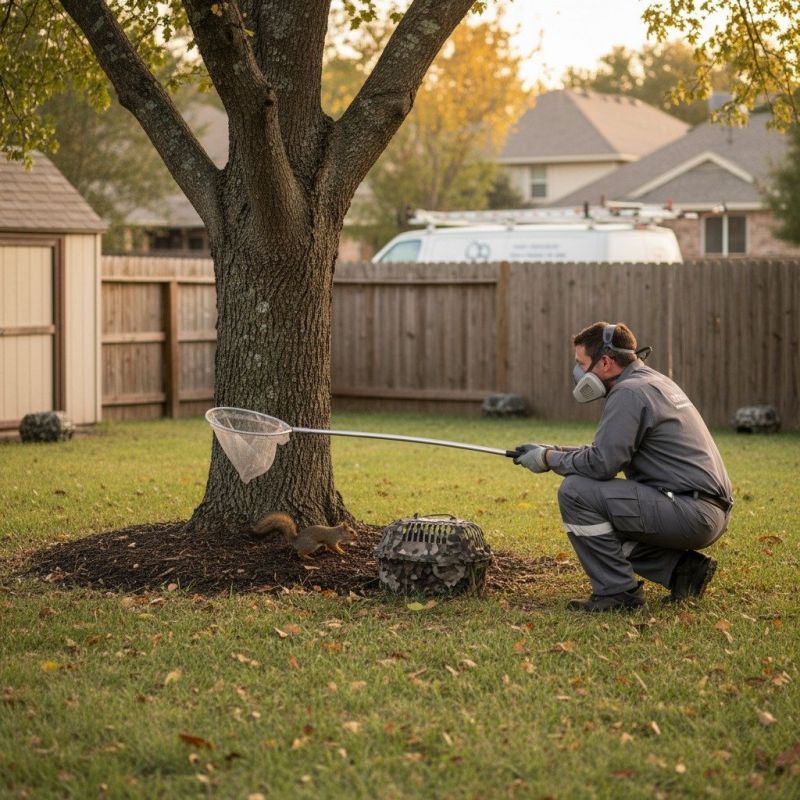
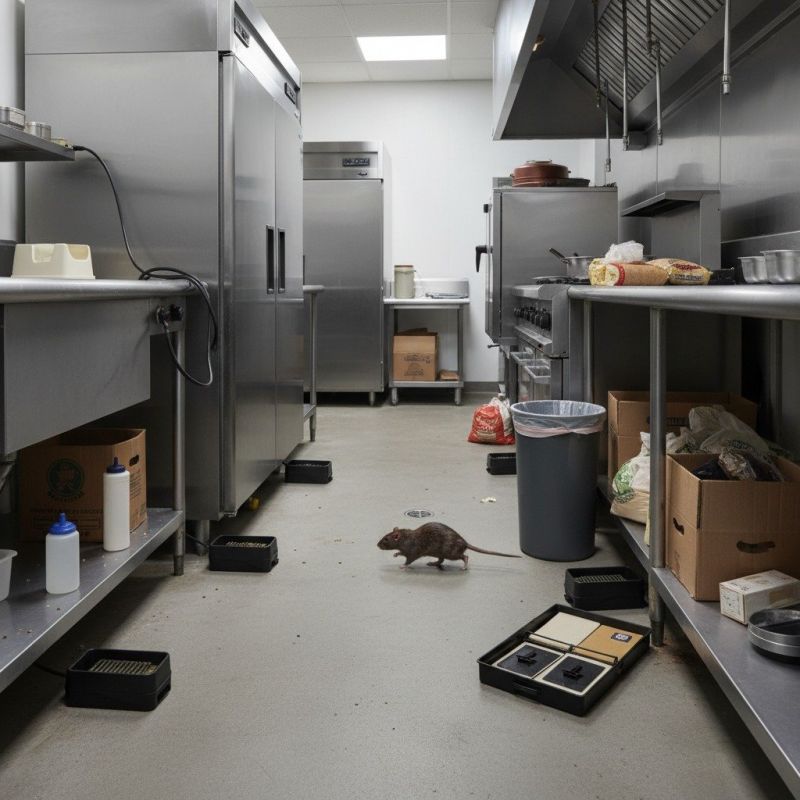
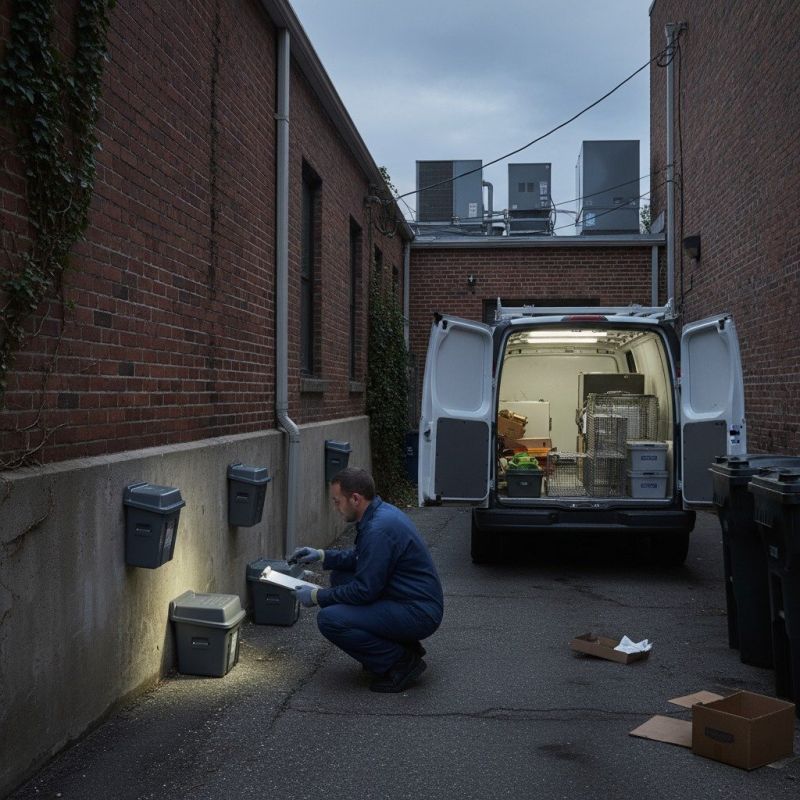
When people search for how small animals impact commercial buildings and business operations, they are often trying to understand the potential risks and disruptions that can arise from unwanted wildlife intrusions. Small animals such as rodents, squirrels, bats, or birds can find ways into commercial properties, leading to issues that affect day-to-day operations. These concerns may include property damage, contamination of food or products, and health hazards for employees and visitors. Business owners and property managers seek information on how to prevent or address these problems to maintain a safe, clean, and efficient environment.
This topic is closely related to plans for property maintenance, pest prevention, and damage control. Small animals can cause structural damage by gnawing on electrical wiring, insulation, or building materials, which may lead to costly repairs or fire hazards. Additionally, their droppings and nesting materials can contaminate inventory or workspaces, creating sanitation concerns that might require extensive cleaning or even temporary closures. Understanding how small animals impact commercial buildings helps owners develop effective strategies to minimize disruptions, protect assets, and ensure compliance with health standards.
The types of properties most often involved in these concerns include retail stores, warehouses, office buildings, restaurants, and industrial facilities. These properties often feature accessible entry points, storage areas, or structural vulnerabilities that attract small animals. Warehouses with stored goods or food manufacturing plants are particularly vulnerable to contamination risks. Retail centers and office complexes may experience issues with rodents or birds nesting in roof spaces or ventilation systems. Recognizing which properties are most at risk helps property owners and managers prioritize prevention and response efforts, often with the assistance of service providers who specialize in small animal removal.
Local service providers who handle small animal removal play a crucial role in managing how small animals impact commercial buildings and business operations. These professionals can assess property vulnerabilities, identify signs of wildlife intrusion, and implement targeted removal strategies. They also help with sealing entry points and implementing exclusion methods to prevent future problems. Engaging experienced pros ensures that small animal issues are addressed quickly and effectively, reducing the likelihood of property damage, health hazards, and operational disruptions. Proper intervention by these specialists supports maintaining a safe, clean, and functional commercial environment.
Wildlife Exclusion Projects - these projects involve sealing entry points and preventing animals from accessing buildings, similar to small animal removal efforts in commercial settings.
Pest Proofing Services - focusing on blocking pests and small animals from entering structures, which parallels the planning and tools used in commercial small animal control.
Building Inspection and Damage Assessment - inspecting properties for signs of animal intrusion and damage, a skill applicable to identifying how small animals impact commercial buildings and operations.
Rodent Control Programs - implementing targeted strategies to manage rodent populations, sharing techniques used in small animal removal and prevention.
Structural Repair and Reinforcement - repairing and reinforcing building components to prevent animal entry, related to the planning stage of small animal exclusion projects.
Integrated Pest Management (IPM) Consulting - developing comprehensive plans to control pests and small animals, requiring similar planning and coordination skills as small animal impact mitigation.
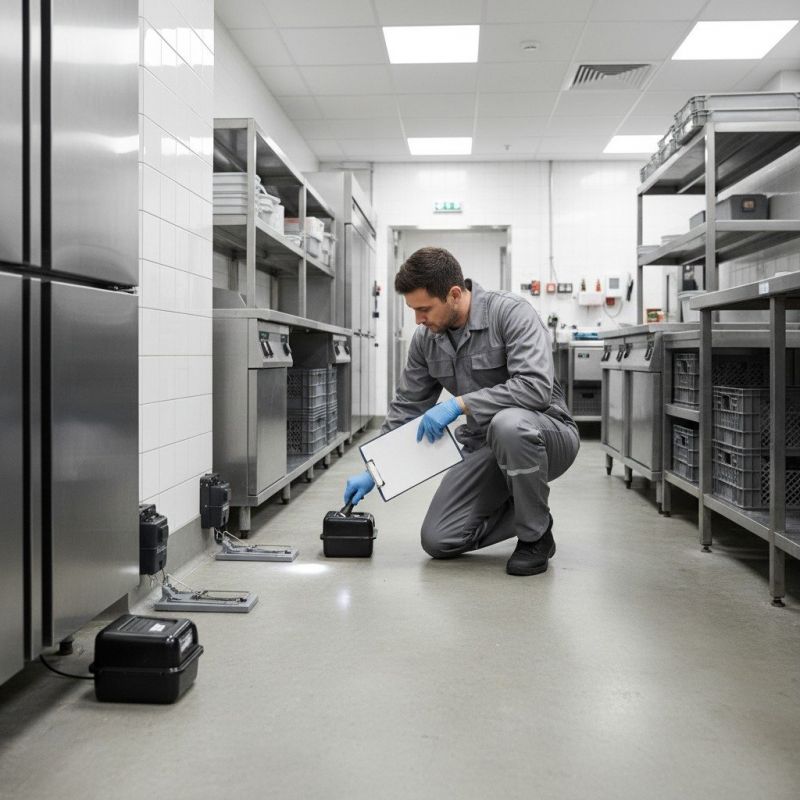
When evaluating service providers for small animal removal in commercial settings, it is important to consider their experience with similar projects. Local contractors who have handled small animal issues in commercial buildings are more likely to understand the unique challenges these environments present, such as the impact on business operations and building integrity. Inquiring about their past work can provide insight into their familiarity with different types of small animals and the methods they employ to effectively remove them while minimizing disruption to ongoing business activities.
Clear and detailed written expectations are essential when comparing local pros for small animal removal services. A reputable service provider should communicate their process, what the removal entails, and any follow-up measures in a straightforward manner. This helps ensure that there is a shared understanding of the scope of work, including the identification of problem areas, the removal techniques used, and measures to prevent future intrusions. Well-defined expectations can also aid in assessing whether the contractor’s approach aligns with the specific needs of the commercial property.
Reputable references and strong communication are key factors when choosing a local contractor for small animal removal. Service providers who can provide references from previous commercial clients demonstrate a track record of successful projects. Additionally, good communication throughout the process-such as responsiveness to questions and clarity in explanations-can make the experience smoother and reduce uncertainties. These qualities help build confidence that the contractor will handle the job professionally and keep the business informed at every stage, ultimately supporting a successful resolution of how small animals impact commercial buildings and business operations.
Property owners often search for how small animals impact commercial buildings and business operations when they are planning practical projects around their homes and businesses. Local pros provide Commercial Small Animal Removal services for everyday jobs and straightforward project options.
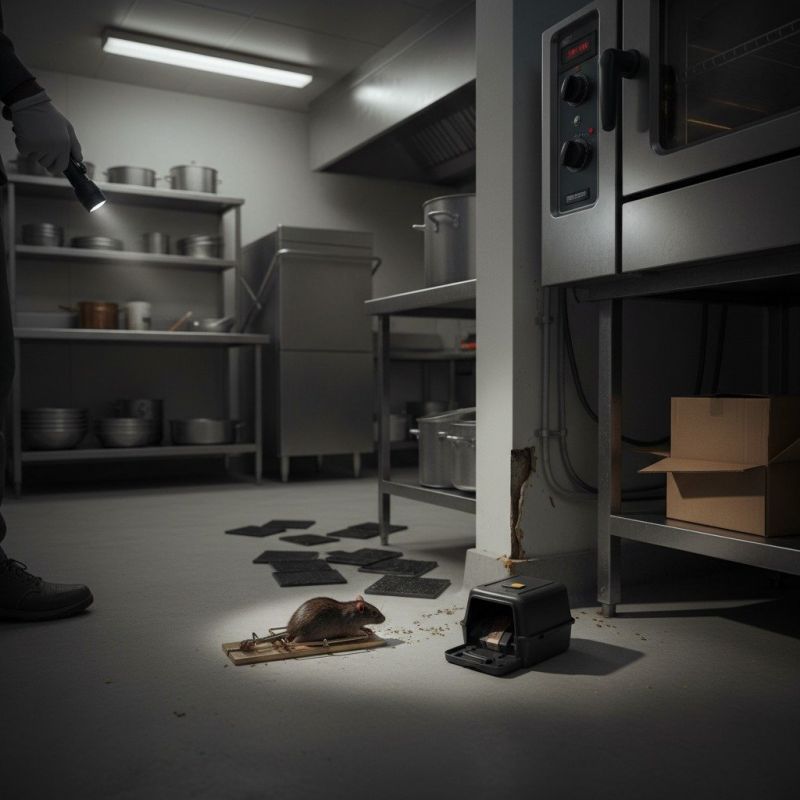
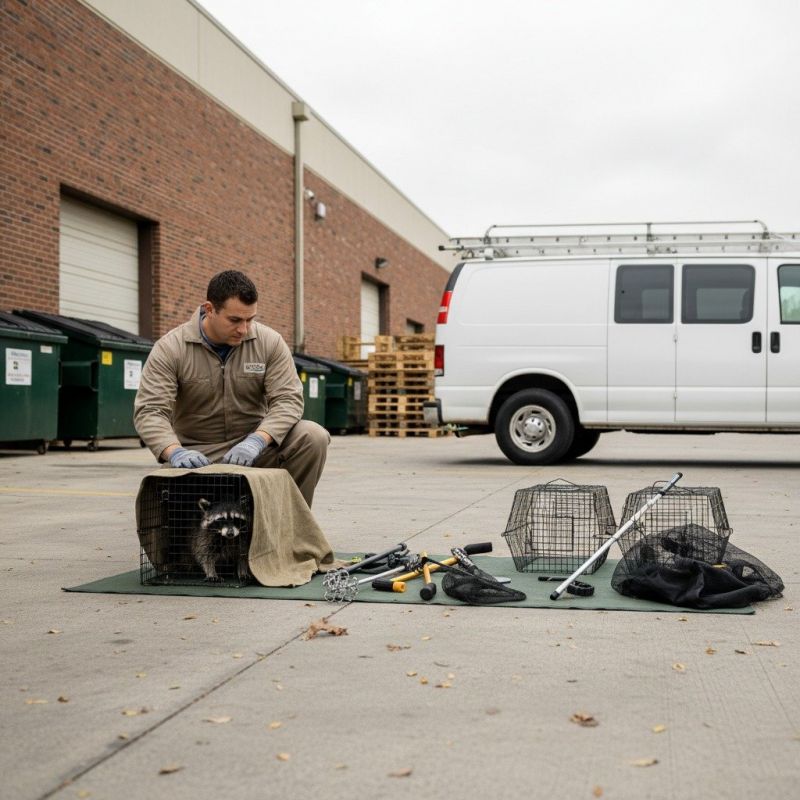
Small animals such as rodents, birds, and insects can cause significant disruptions in commercial buildings, affecting both operations and safety. These animals often find ways into structures through small openings, where they may nest, chew through wiring, or leave behind droppings, leading to potential damage and contamination. In busy business environments, even minor infestations can result in operational delays, increased cleaning efforts, and the need for repairs, making it essential for property owners to stay vigilant and address issues promptly.
Property owners in the area might seek out commercial small animal removal services from local contractors to handle these situations effectively. These professionals specialize in identifying entry points, safely removing animals, and preventing future invasions, helping to maintain a clean and safe environment for staff and customers. Engaging with experienced service providers can help minimize the impact small animals have on business operations, ensuring that commercial spaces remain secure and functional.
How do small animals affect the structural integrity of commercial buildings? Small animals such as rodents and birds can cause damage to building materials, wiring, and insulation, which may compromise the structural safety of commercial properties. Local contractors can identify and address these issues to prevent further damage.
In what ways can small animals disrupt business operations? Small animals can create noise, foul odors, and contamination risks that interfere with daily activities, customer experience, and employee productivity. Professional removal services help mitigate these disruptions promptly.
Why is it important to remove small animals from commercial buildings promptly? Removing small animals quickly reduces the risk of property damage, health hazards, and potential infestations that could lead to costly repairs and operational downtime. Local service providers specialize in safe and effective removal.
What health risks are associated with small animals in commercial spaces? Small animals can carry diseases and parasites that pose health risks to employees and visitors. Professional removal ensures these health hazards are managed safely and thoroughly.
How can small animals impact the longevity of building systems? Small animals can damage electrical wiring, HVAC systems, and insulation, leading to system failures and decreased building lifespan. Local contractors can help prevent such issues through effective removal and prevention strategies.
Identifying entry points - property owners can work with local contractors to locate small animal entry points that may lead to infestations or damage.
Preventing damage - implementing sealing and exclusion measures with local pros helps protect building structures from gnawing and nesting behaviors.
Reducing business disruptions - timely removal of small animals by local service providers can minimize operational interruptions caused by infestations.
Maintaining sanitation - partnering with local pros ensures proper cleanup and sanitation after small animals are removed, supporting a clean work environment.
If you are thinking about how small animals impact commercial buildings and business operations for a property, this guide is meant to help you understand this topic, the typical project types, and how different options might fit your plans.
When you are ready, you can use the quote form on this page to share a few details about your project. From there, local pros can review the basics and follow up with options that match what you have in mind.