
Favorite Canadian Geese Deterrents for Landowners and Managers
Identify effective products that are highly rated for deterring Canadian geese and maintaining landscape integrity.
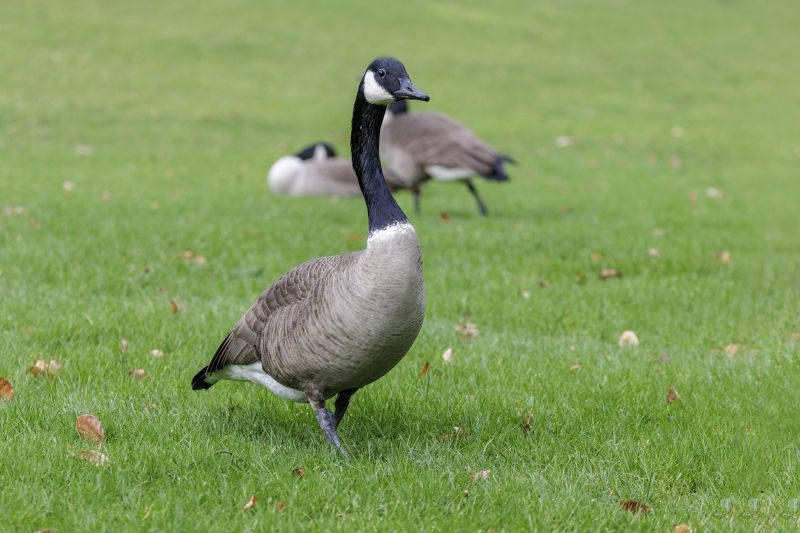 Controlling Canadian geese populations around residential, commercial, or recreational areas can be a complex task due to their adaptability and resilience. A variety of products are available to help manage these birds and minimize their impact on property and landscapes. These products range from physical barriers and visual deterrents to sound devices and chemical repellents, each designed to address different situations and preferences. When selecting products, it is important to consider the specific environment, the size of the area, and the behavior of the geese to determine the most suitable solutions.
Top Overall Option
Versatile Bird Deterrent System
This comprehensive deterrent system combines visual, auditory, and physical deterrents to create a multi-layered approach to goose control. It includes reflective tapes, motion-activated noise devices, and fencing options, making it adaptable to various environments. Designed for ease of use and durability, it offers a flexible solution for property managers seeking a humane and non-invasive method to discourage geese from settling in specific areas.
Types of Products For Canadian Geese Controls
Visual Deterrents
Reflective tapes, predator decoys, and scare-eye balloons that mimic predators or create visual disturbances to discourage geese from landing or nesting.
Auditory Deterrents
Devices that emit distress calls, predator sounds, or loud noises to create an uncomfortable environment for geese, encouraging them to relocate.
Physical Barriers
Fencing, netting, or spikes designed to physically block access to specific areas and prevent geese from settling or nesting.
Chemical Repellents
Non-toxic solutions applied to lawns or water surfaces that make the environment less appealing to geese.
Water-Based Repellents
Specialized sprays or coatings that alter water surfaces or vegetation to deter geese from frequenting the area.
Motion-Activated Devices
Sensors that trigger noises, lights, or water sprays when geese are detected, providing a dynamic deterrent approach.
Habitat Modification Products
Tools and materials that modify the landscape, such as removing food sources or altering water levels, to make the area less attractive.
Ultrasonic Devices
Electronic devices that emit high-frequency sounds intended to be inaudible to humans but disruptive to birds.
Bird Spikes and Perches
Physical deterrents installed on ledges or flat surfaces to prevent geese from roosting or nesting.
Lawn and Water Surface Treatments
Products designed to treat grass or water surfaces to reduce attractiveness to geese.
Bird Repellent Gel
Sticky gels applied to surfaces to deter geese from landing or resting.
Popular Choices
Reflective tapes and balloons that create visual disturbances to deter geese from landing.
Electronic devices that play distress or predator sounds to discourage bird presence.
Flexible fencing options that can be easily installed around problem areas.
Motion-activated water sprinklers that startle and discourage geese from staying.
Sprays that make grass or water less appealing to geese, used as part of integrated management.
Life-sized decoys of predators like foxes or hawks placed strategically to scare geese away.
Electronic devices emitting high-frequency sounds intended to keep geese at bay.
Spikes installed on ledges or flat surfaces to prevent roosting and nesting.
Equipment to alter water levels or remove food sources, reducing habitat attractiveness.
Specialized products applied to surfaces to discourage geese from settling.
Sticky gels that make surfaces uncomfortable for landing or resting.
Netting installed over ponds or lawns to physically exclude geese.
Lights that activate upon motion, startling geese and discouraging presence.
Realistic decoys of predators to create a visual threat for geese.
Equipment to manage water levels and reduce habitat suitability for geese.
Many control methods are non-lethal and focus on discouraging geese from settling in particular locations. Visual deterrents such as reflective tapes, scarecrows, or predator decoys can be effective in some settings by creating a sense of threat or instability. Sound deterrents emit distress calls or loud noises that can disrupt the birds' comfort, although their effectiveness may diminish over time as geese become accustomed to the sounds. Physical barriers like fencing or netting are often used in high-value or sensitive areas to prevent access altogether.
Chemical repellents are another option, typically applied to grass or water surfaces to make the environment less attractive to geese. These products are designed to be humane and non-toxic, serving as a temporary solution while integrating other management strategies. Combining multiple methods often yields the best results, especially when managing larger or more persistent populations. Regular maintenance and monitoring are key components of an effective control plan, ensuring that deterrents remain functional and effective over time.
Key Buying Considerations
- Area size and layout to determine the most effective deterrent methods.
- Type of environment, such as water bodies, lawns, or urban settings.
- Persistence of geese and whether a temporary or long-term solution is needed.
- Humane and non-invasive options preferred for sensitive areas.
- Ease of installation and maintenance requirements of the products.
- Compatibility of deterrents with existing landscape features.
- Effectiveness of the product in similar environments or situations.
- Potential for habituation; combining multiple methods can improve results.
- Local regulations regarding bird control and humane treatment.
- Budget constraints and cost-effectiveness of different solutions.
- Durability and weather resistance of physical deterrents.
- Availability of replacement parts or consumables for ongoing use.
- User reviews and recommendations from other property owners.
- Impact on non-target species and overall ecosystem considerations.
- Availability of customer support and product warranties.